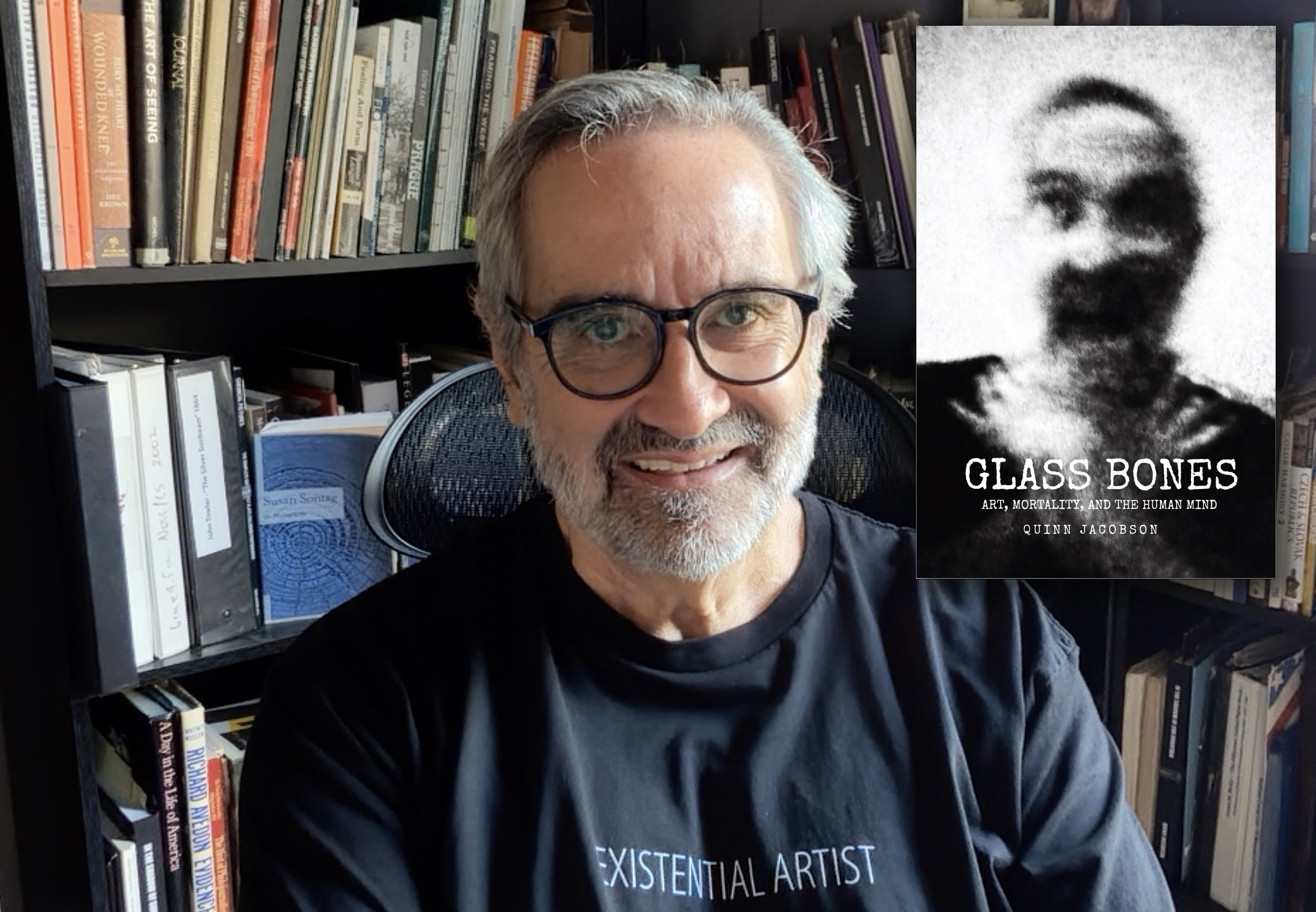
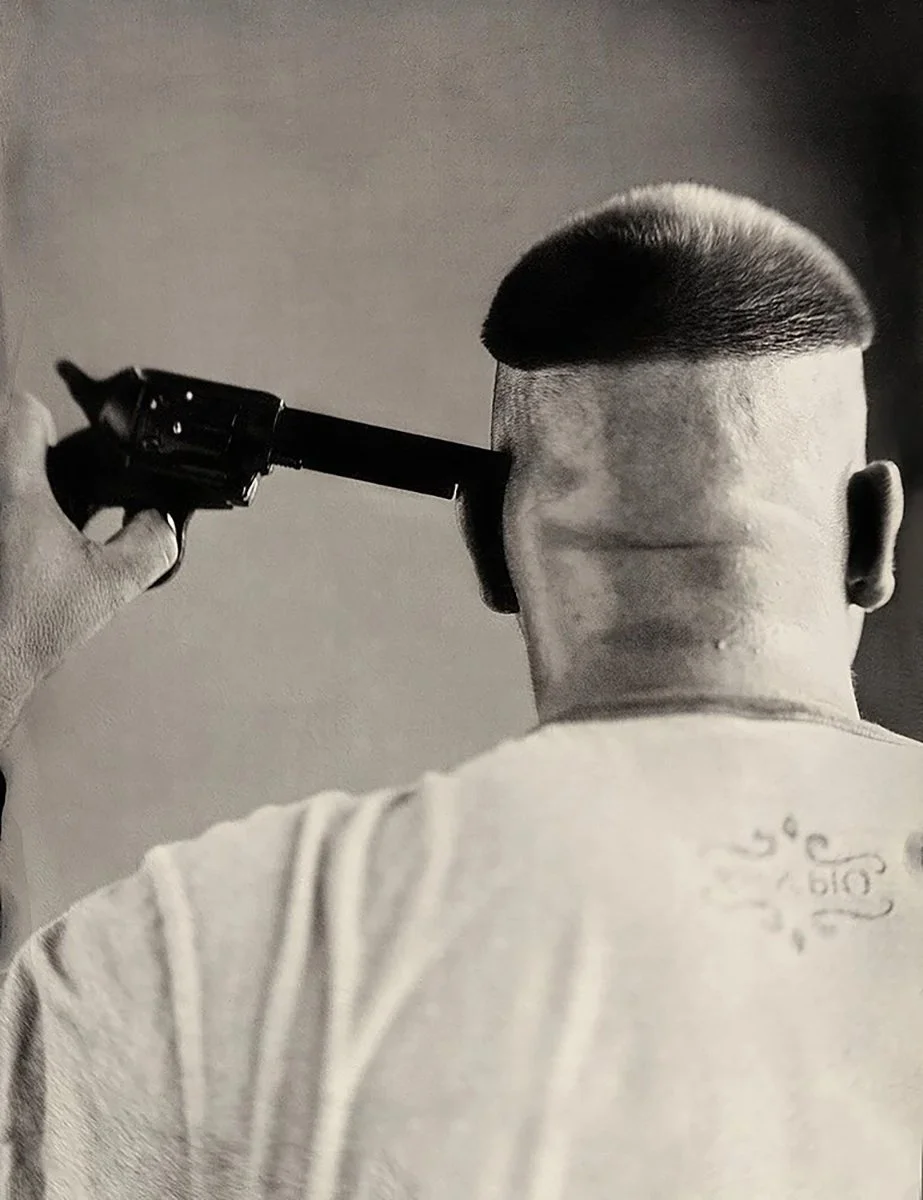
In this week's reading of Glass Bones: Art, Morality, and the Human Mind, I conclude Part One and introduce Part Two. This is an important transition in the book, moving from the psychological and evolutionary foundations of mortality awareness into the lived experience of artists and creative people.
Part One began with a simple but unsettling fact: every human being knows they are going to die.
That knowledge shapes much more of our lives than we generally recognize. Drawing on Ernest Becker, Otto Rank, evolutionary psychology, and research on terror and meaning, I've explored how human beings developed psychological defenses and cultural systems of meaning to manage the anxiety that comes with knowing we're temporary.
We construct beliefs, identities, traditions, and worldviews that give our lives significance and continuity. These structures help us function, but they can also become sources of conflict when we feel they're threatened.
The question that interests me is whether we can develop a different relationship with this awareness.
Can we recognize the temporary nature of our existence without becoming overwhelmed by it? Can we participate in life without requiring our beliefs and accomplishments to protect us from the reality of death?
This is where creativity enters the conversation.
Creativity is a relationship with death.
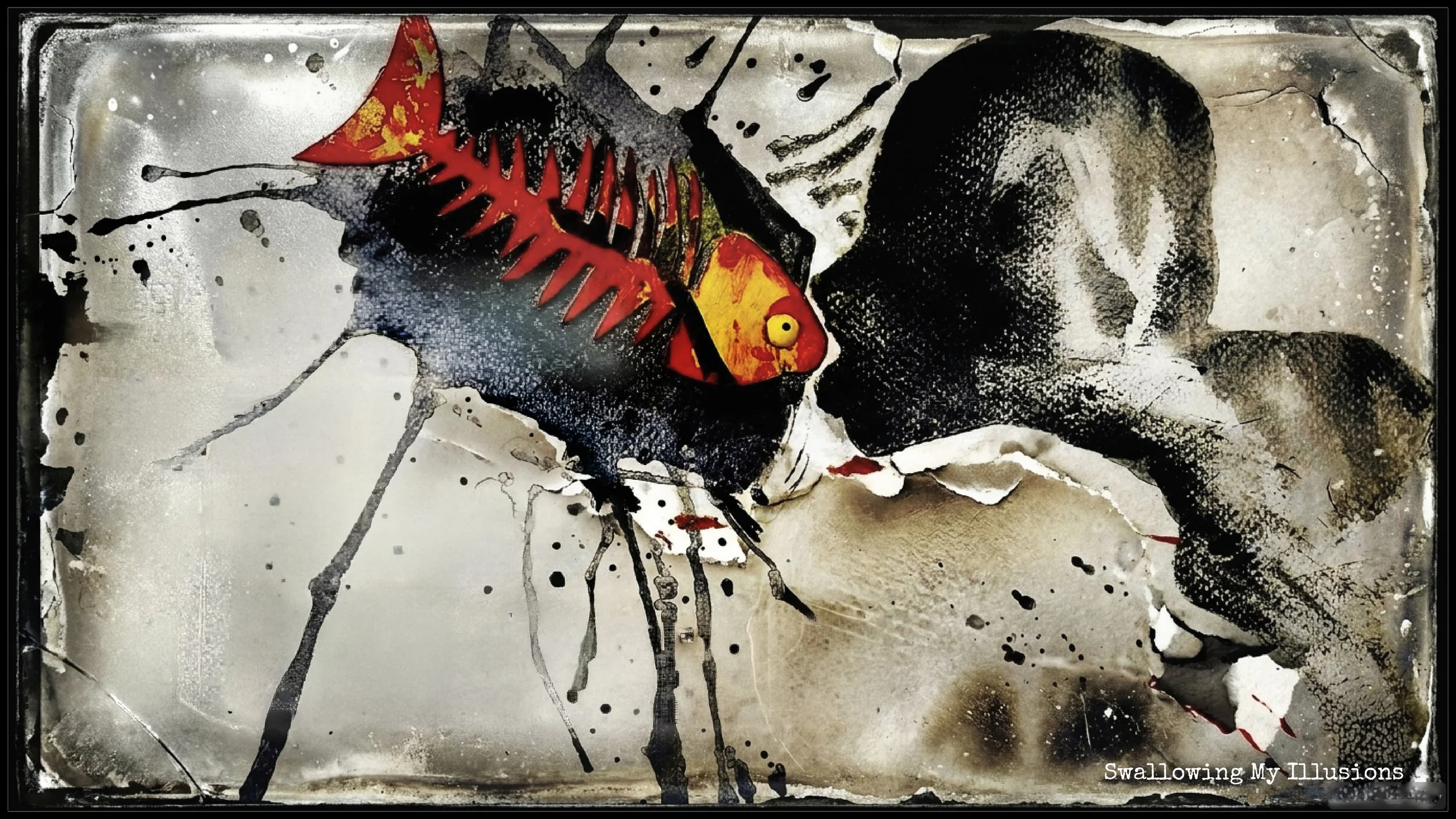
I don't mean that every artist consciously thinks about mortality while working. I mean that making something involves engaging with uncertainty, vulnerability, change, and impermanence. Creative work can become a way of encountering these realities rather than continually defending against them.
Part Two explores what that looks like in practice.
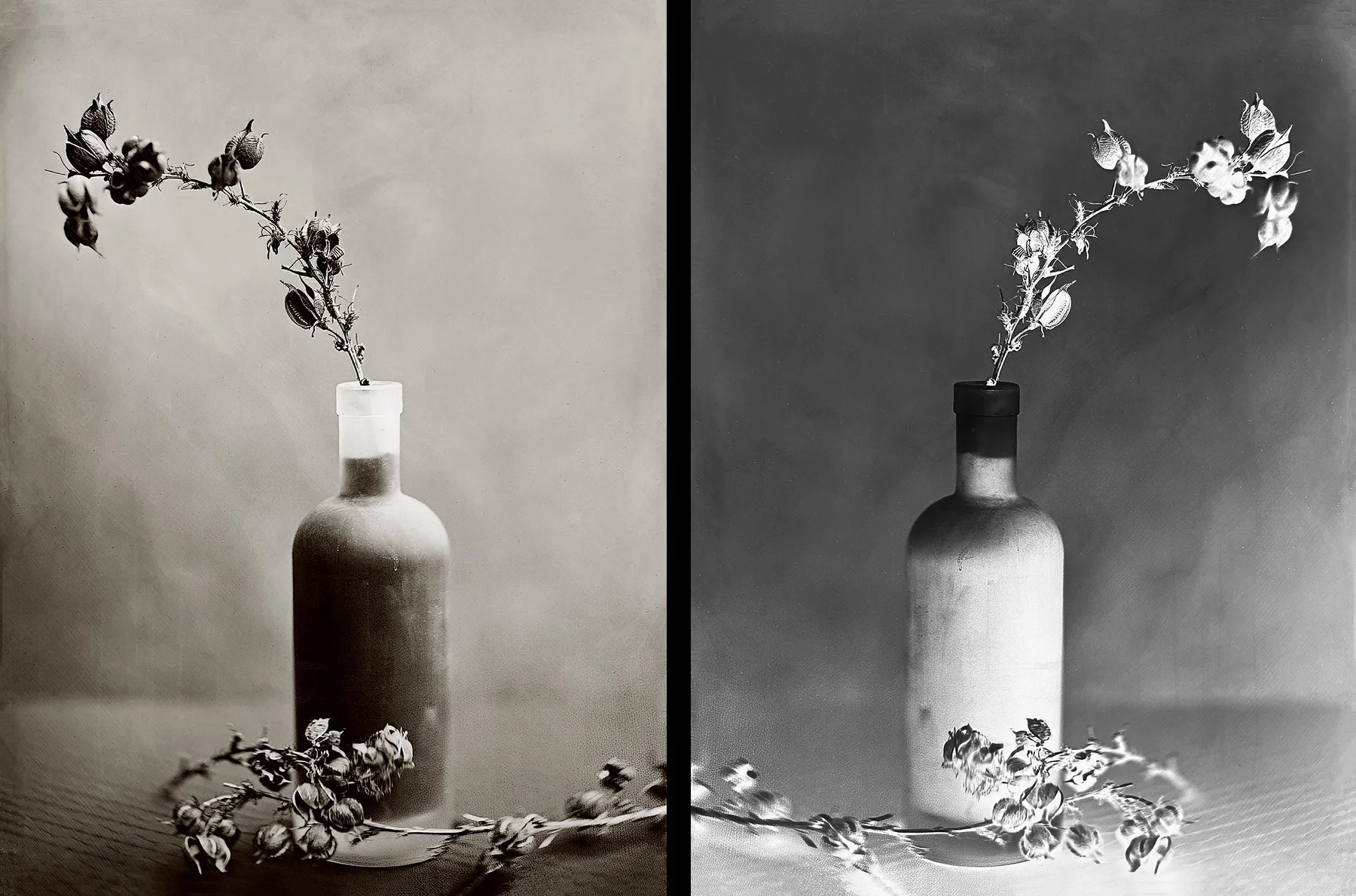
I've spent over two decades working with nineteenth-century photographic processes, particularly wet collodion. Standing in my darkroom, watching an image emerge on a sheet of glass or metal, I'm reminded that everything involved is temporary. The chemistry changes. The materials deteriorate. The photograph is fragile. The person or place I'm photographing is also changing and disappearing.
The process makes impermanence tangible.
And yet I continue making photographs.
For me, this dilemma is one of the central questions of the creative life: How do we make meaning while knowing that everything we make, including ourselves, is temporary?
I'm not suggesting artists are somehow more enlightened or better equipped to face mortality than anyone else. Creative practice can simply keep certain tensions visible. Artists may find themselves standing between belonging and exile, between the need for meaning and the recognition that meaning is never guaranteed.
That position has psychological costs. It also creates possibilities.
In Part Two, I'll explore how anxiety becomes material, how personal and cultural ruptures shape creative work, and how making something can become a form of repair.
The movement is from theory to experience, from the structures that protect us to the practice of living with awareness.
Perhaps the task isn't to overcome our anxiety about death. Perhaps it's to remain present, to acknowledge our condition, and to make something meaningful anyway.
That's where Part Two begins—in Chapter 13 for next week!